Dentist in Beverly Hills Introduces Aging Dental Work Review for Older Crowns and Fillings
Just another WordPress site
Press Release Disclaimer: This is a press release distributed through the XPR Media network. It has not been independently verified by our newsroom.
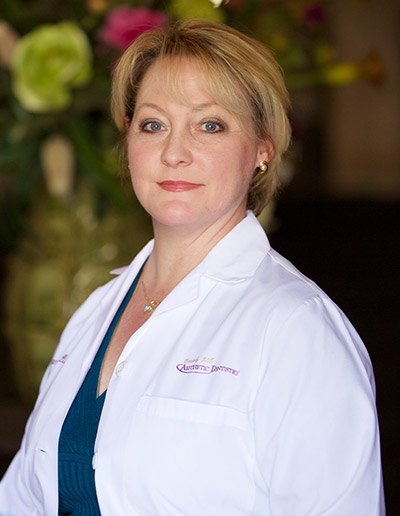

Beverly Hills, CA – October 10, 2026 – A dentist in Beverly Hills CA is drawing attention to a question many adults face as their dental work gets older: does a crown or filling need to be replaced simply because it has been there for 15 or 20 years? At Beverly Hills Aesthetic Dentistry, Dr. Jamielynn Hanam-Jahr is emphasizing the importance of evaluating the condition of existing dental work before deciding whether replacement is necessary.
The proposed Aging Dental Work Review focuses on a part of dental care that patients may not think about until something breaks. Crowns, fillings, and bridges can remain in the mouth for many years, but their condition can change over time. Some develop cracks, loose margins, or decay around their edges. Others continue functioning without obvious problems. The challenge is determining which restorations need treatment and which can continue to be monitored.
The distinction matters because replacing dental work can involve removing additional natural tooth structure. The FDI World Dental Federation’s 2019 policy on repairing restorations recommends considering repair when clinically appropriate rather than automatically replacing an entire restoration. Its guidance emphasizes evaluating the restoration, the remaining tooth, and individual risk factors before choosing treatment.
“A crown or filling should not be replaced just because it has reached a certain age,” said Dr. Jamielynn Hanam-Jahr, DDS, of Beverly Hills Aesthetic Dentistry. “What matters is the condition of the tooth underneath, whether the restoration is still doing its job, and whether there are signs of damage or decay. Patients deserve to understand those findings before making a decision.”
The Aging Dental Work Review is intended to make those decisions easier to understand. Rather than treating all older restorations as having the same lifespan, the approach considers the condition of each restoration and its surrounding tooth. The goal is to distinguish problems requiring attention from conditions that can reasonably be observed, with treatment recommendations based on clinical findings.
This builds on the practice’s earlier discussion of when a filling is no longer enough. That discussion focused on protecting teeth that have lost significant structure. The Aging Dental Work Review addresses a related but different question: what should happen when a patient already has extensive dental work that may still be functioning?
It also connects with the practice’s emphasis on prevention and clear treatment planning. For patients who have accumulated dental work over several decades, understanding what is necessary, what can be monitored, and what remains a personal choice can help them make informed decisions.
Dr. Hanam-Jahr earned her Doctor of Dental Surgery degree from Louisiana State University in 1995 and holds California dental license number 46068. She purchased her Beverly Hills practice in 2001 and has pursued continuing education in cosmetic and restorative dentistry. Her clinical experience includes evaluating existing restorations alongside patients’ oral health, functional needs, and long-term treatment goals.
An evaluation of aging dental work may include:
-
Checking older crowns and fillings for cracks, looseness, wear, or damaged edges
-
Looking for decay around or beneath existing restorations
-
Assessing the condition of the natural tooth supporting each restoration
-
Considering whether a restoration can be monitored, repaired, or needs replacement
-
Explaining which findings require treatment and which may be reassessed at future visits
A crown that has been in place for 20 years is not automatically failing. Likewise, a newer filling can develop problems that require attention. The age of a restoration provides useful background, but its clinical condition is more important when deciding what to do next.
The FDI’s guidance also recognizes that some defective restorations can be repaired or refurbished instead of completely replaced. Whether that is appropriate depends on the material, location, extent of damage, and condition of the underlying tooth. In other cases, replacement may be necessary to address decay, fracture, or loss of structural support.
Treatment decisions should be based on examination findings, diagnostic imaging when indicated, the condition of the remaining tooth, individual risk factors, and patient goals. Monitoring is not appropriate for every defective restoration, and delaying necessary treatment may allow damage or decay to progress.
Patients seeking information about restorative dentistry in Beverly Hills can learn more about how crowns and other restorations are evaluated.
Frequently Asked Questions
Do dental crowns need to be replaced after 15 or 20 years?
Not automatically. Some crowns continue functioning beyond that time, while others develop problems earlier. A dentist evaluates the crown’s condition, its fit, and the health of the underlying tooth before recommending replacement.
How can I tell if an old filling needs replacing?
Warning signs may include pain when chewing, sensitivity, a chipped or broken filling, or food becoming trapped around it. However, some problems are not noticeable without an examination. Regular dental evaluations can help identify changes.
Can an old crown be repaired instead of replaced?
Sometimes. Minor damage may be repairable depending on the crown material, location, and extent of the problem. Extensive fractures, decay, or poor fit may make replacement necessary.
Is it safe to keep old dental work if it is not causing pain?
Lack of pain does not always mean a restoration is healthy. Decay can develop around an existing filling or crown without obvious symptoms. A clinical examination helps determine whether continued monitoring is reasonable.
Does replacing an old filling remove more natural tooth?
Replacement can require removing additional tooth structure, particularly when decay or damaged material is present. When clinically appropriate, repairing a restoration may preserve more of the existing tooth.
About Beverly Hills Aesthetic Dentistry
Beverly Hills Aesthetic Dentistry is a general, cosmetic, and restorative dental practice in Beverly Hills, California, founded by Dr. Jamielynn Hanam-Jahr, DDS in 2001. The practice provides preventive, cosmetic, restorative, emergency, sedation, and implant dentistry for patients with a range of oral health needs. Its approach emphasizes patient education, individualized treatment planning, and preserving oral health and function while considering each patient’s personal goals. Beverly Hills Aesthetic Dentistry is located at 435 N Bedford Dr #414, Beverly Hills, CA 90210.
Media Contact
Company Name: Beverly Hills Aesthetic Dentistry
Contact Person: Dr. Jamielynn Hanam-Jahr
Email: Send Email
Address:435 N Bedford Dr #414
City: Beverly Hills
State: CA
Country: United States
Website: https://mybeverlyhillsdentist.com/
Press Release Distributed by ABNewswire.com
To view the original version on ABNewswire visit: Dentist in Beverly Hills Introduces Aging Dental Work Review for Older Crowns and Fillings