New Report Examines Environmental Costs of British Colonial Rule in Africa
A new research report launched at the University of Lagos is calling for the environmental consequences of British
Press Release Disclaimer: This is a press release distributed through the XPR Media network. It has not been independently verified by our newsroom.
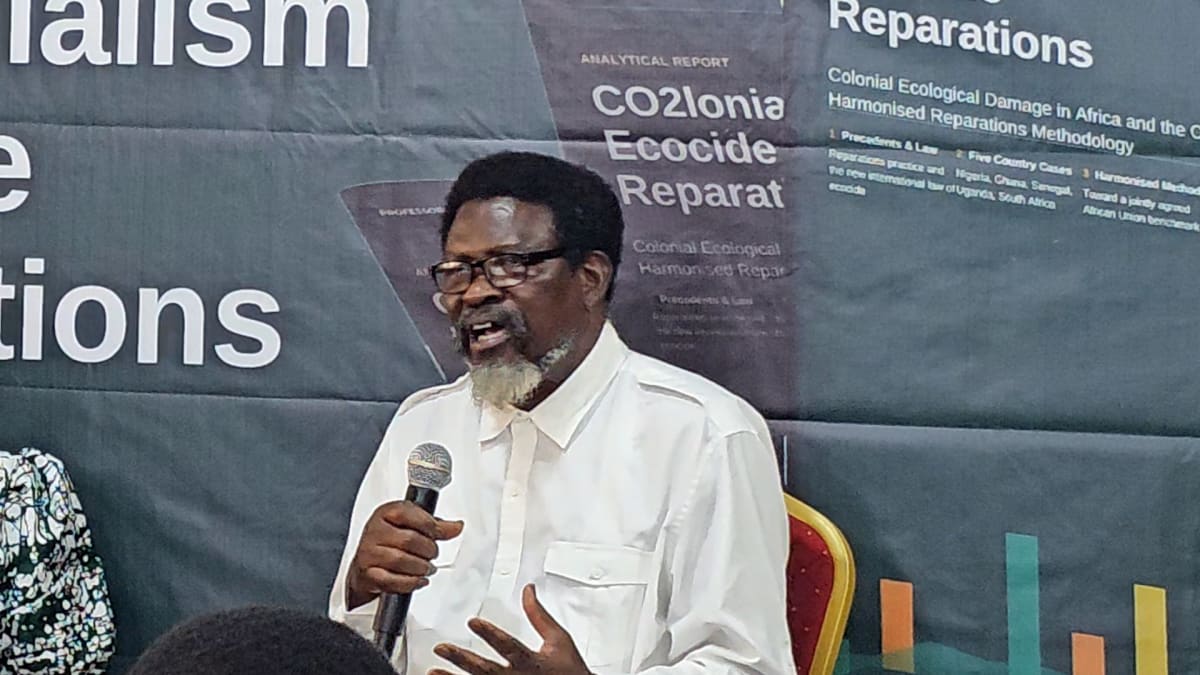

A new research report launched at the University of Lagos is calling for the environmental consequences of British colonial rule in Africa to receive greater attention in discussions about reparations and historical justice.
LAGOS, Nigeria — Aug. 28, 2026 — A new research report launched at the University of Lagos is calling for the environmental consequences of British colonial rule in Africa to receive greater attention in discussions about reparations and historical justice.
Titled CO2lonialism, Ecocide and Reparations, the report examines the long-term environmental effects of colonial economic policies, including the exploitation of land and natural resources and changes to agricultural and resource-management systems across several African countries. The report argues that these environmental impacts should be documented and assessed alongside the human, social and economic consequences of colonial rule.
Presenting the report, lead author Professor J. G. Nkem Onyekpe, head of the Department of History and Strategic Studies at the University of Lagos, said environmental costs have received comparatively less attention in discussions about reparations. Professor Onyekpe cited a 2022 peer-reviewed estimate that valued resources transferred from the Global South through unequal exchange at more than $10 trillion in 2015. He said applying similar approaches to the period of colonial rule across affected African countries could potentially produce estimates in the hundreds of trillions of dollars.
The report does not establish a final monetary value for colonial-era ecological damage. Instead, it calls for further research and a consistent methodology for documenting and valuing environmental losses.
The legal and historical dimensions of the issue were also discussed during the panel session. Dr. Asikia Karibi-Whyte, a jurisprudence and international law expert at the University of Lagos, questioned the argument that present governments should be viewed separately from the states and institutions that existed during earlier periods of colonial rule.
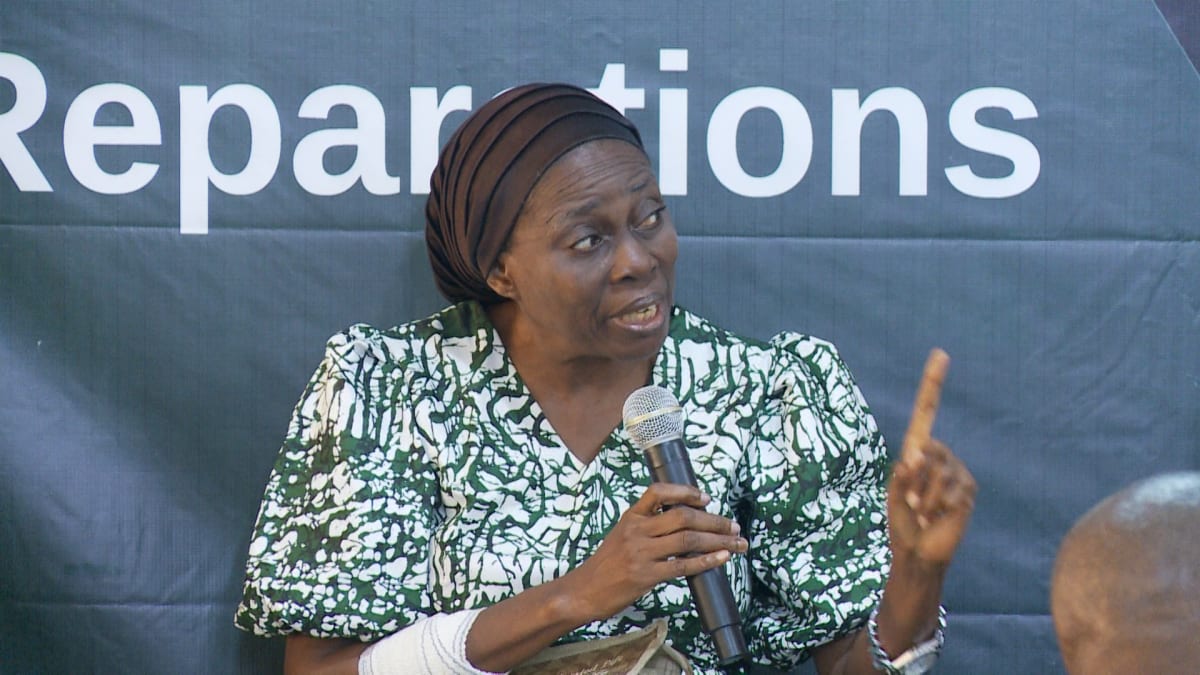
She noted that, from an international-law perspective, a state is generally treated as a continuing entity despite changes in political leadership. Karibi-Whyte also referred to the Nauru case before the International Court of Justice, which involved environmental damage associated with phosphate mining during the colonial period.
“The ecological damage caused by British Colonial rule was colossal,” said Professor Nnagugwu Oscar Uluocha, Professor of Geography at the University of Lagos. Professor Uluocha stressed the importance of using geographical and scientific evidence to examine changes to Nigeria’s environment and to understand the effects of historical land-use, agricultural and resource-extraction policies.
The report considers the emerging international discussion around ecocide, environmental accountability and the protection of ecosystems. It points to ongoing African Union discussions about the possible classification of large-scale environmental destruction as a crime. The authors are advocating for an African-led research and policy conversation that brings together historians, environmental scientists, geographers, economists and legal scholars. The report has now been submitted to the African Union (AU) reparations bodies for further consideration.
The researchers say their objective is not to establish a predetermined financial claim, but to encourage further research into the environmental consequences of colonial rule and explore how historical evidence, environmental restoration and economic justice can inform future discussions about reparations.
###
Media Contact
Company: Rainbow Trent LTD
Contact Person: Ademola Adebusoye
Email: Send email
Website: rainbow.com.ng
Phone: +2347017990010